

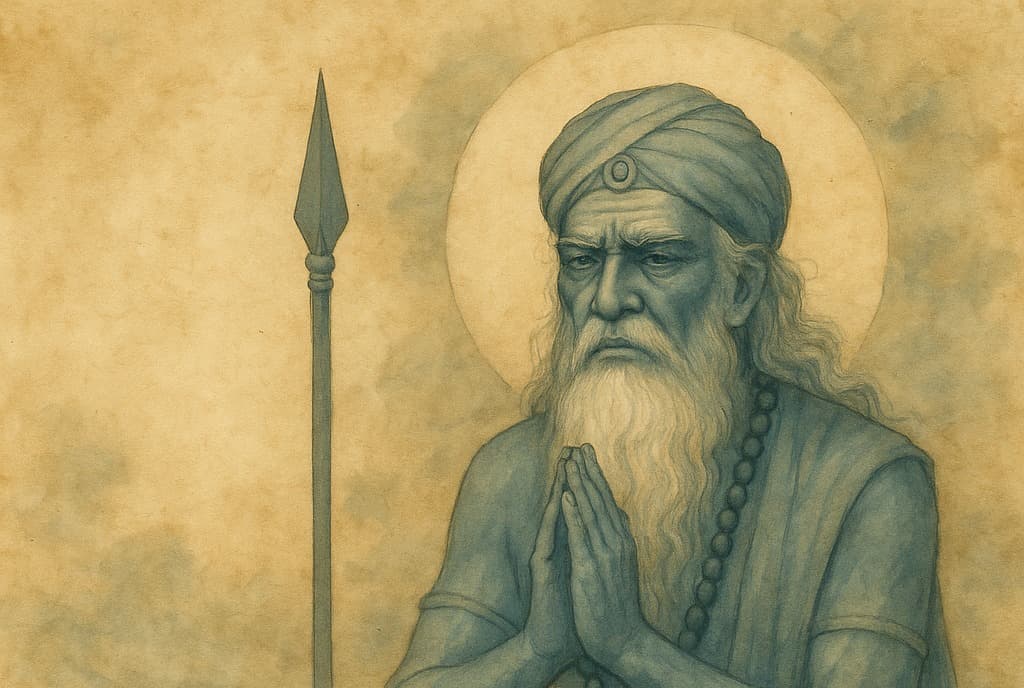
Bhishma Pitama
The Grand Patriarch
Abilities & Boons
Character Overview
Devavrata, later called Bhishma, is one of the most respected figures of the Mahabharata. Born of the river-goddess Ganga and King Shantanu, he became the head of the Kuru house by choice rather than inheritance. His defining act was a terrible and noble vow: to renounce marriage and descendants so his father could marry freely. This vow earned him the name Bhishma — often understood as "one of the terrible/solemn vow." He is depicted as a supreme warrior, a seasoned statesman, and an ascetic who combined royal birth with strict self-discipline.
Relationship with Krishna
Bhishma's relationship with Krishna is complex, respectful, and rooted in duty. Krishna revered Bhishma as an elder and a great warrior, and he treated him with deep respect even when their political goals diverged. Krishna urged Bhishma at times to act in accordance with dharma and tried to dissuade him from blind loyalty to unrighteous rulers. In the Kurukshetra war Krishna supported the Pandavas but also honored Bhishma's position; Krishna would not directly violate the codes of respect toward the grandsire. Bhishma, for his part, upheld his vow to serve the throne of Hastinapur and did not abandon his duties even when Krishna counselled otherwise. Their interactions reflect the tension between personal loyalty and cosmic righteousness: Krishna as the divine strategist and Bhishma as the vow-bound patriarch.
Notable Conversations and Incidents
-
The Severe Vow: Bhishma's decision to renounce marriage to secure his father's happiness is the single most consequential incident of his life. This vow shaped his destiny and the future of the Kuru line.
-
Council and Counsel: Throughout the years, Bhishma acted as chief advisor to successive kings of Hastinapur. His counsel was sought on statecraft and war, and he often spoke about duty and royal conduct.
-
Kurukshetra Command: Bhishma served as commander of the Kaurava forces in the great battle. His presence on the field symbolized the moral weight and tragic dimensions of the war.
I stand by my vow and my duty; let that be my measure.
-
Fall by Shikhandi and Arjuna: Bound by his principles, Bhishma would not fight one who had been born female and later became male (Shikhandi). Arjuna used Shikhandi as a shield, and Bhishma was felled by arrows, bringing him to the bed of arrows.
-
The Bed of Arrows (Bhishma Parva): Gravely wounded, Bhishma chose to live until he had delivered long teachings on dharma, kingship, and duty to Yudhishthira and others. These discourses are a major source of practical and ethical instruction in the epic.
Interesting Facts and Nuances
-
Name and Birth: He was born Devavrata and called Ganga-putra as son of the river-goddess. The epithet "Bhishma" refers to the solemn and terrible nature of his vow.
-
Ichcha Mrityu: Tradition holds that Bhishma possessed the boon of ichcha mrityu — the ability to choose the time of his death — which he exercised after the war when conditions were right for him to depart.
-
Vow vs. Dharma: Bhishma's life highlights a subtle tension in dharma literature: a vow taken for a righteous end can bind a person into actions that later conflict with broader moral good. He exemplifies how personal commitments can shape public fate.
-
Respect across camps: Despite fighting for the Kauravas, Bhishma commanded respect from the Pandavas and Krishna. His integrity, skill, and suffering made him a figure beyond partisan labels.
Legacy and Lessons
Bhishma's life teaches steadfastness, the heavy cost of uncompromising vows, and the complexity of duty. Devotees revere him as a model of loyalty and sacrifice, while students of dharma study his choices to understand the interplay of personal honor and cosmic justice. His teachings from the bed of arrows continue to be read as practical guidance on kingship, ethical action, and the conduct of life under obligation.
Key Moments
The Vow of Celibacy
Devavrata renounced marriage and descendants so his father Shantanu could wed Satyavati; the vow secured his father's happiness but determined Devavrata's lifelong path.
Chief Commander at Kurukshetra
As commander of the Kaurava forces, Bhishma led armies with discipline and honor, embodying the tragic loyalties of the war.
Fall by Shikhandi's Presence
Bhishma refused to fight Shikhandi and was struck down by Arjuna, an event arranged to respect Bhishma's principles while ending his dominance on the battlefield.
Teachings from the Bed of Arrows
Wounded and on a bed of arrows, Bhishma imparted extensive counsel on dharma, kingship, and right action to Yudhishthira and others before choosing the moment of his death.
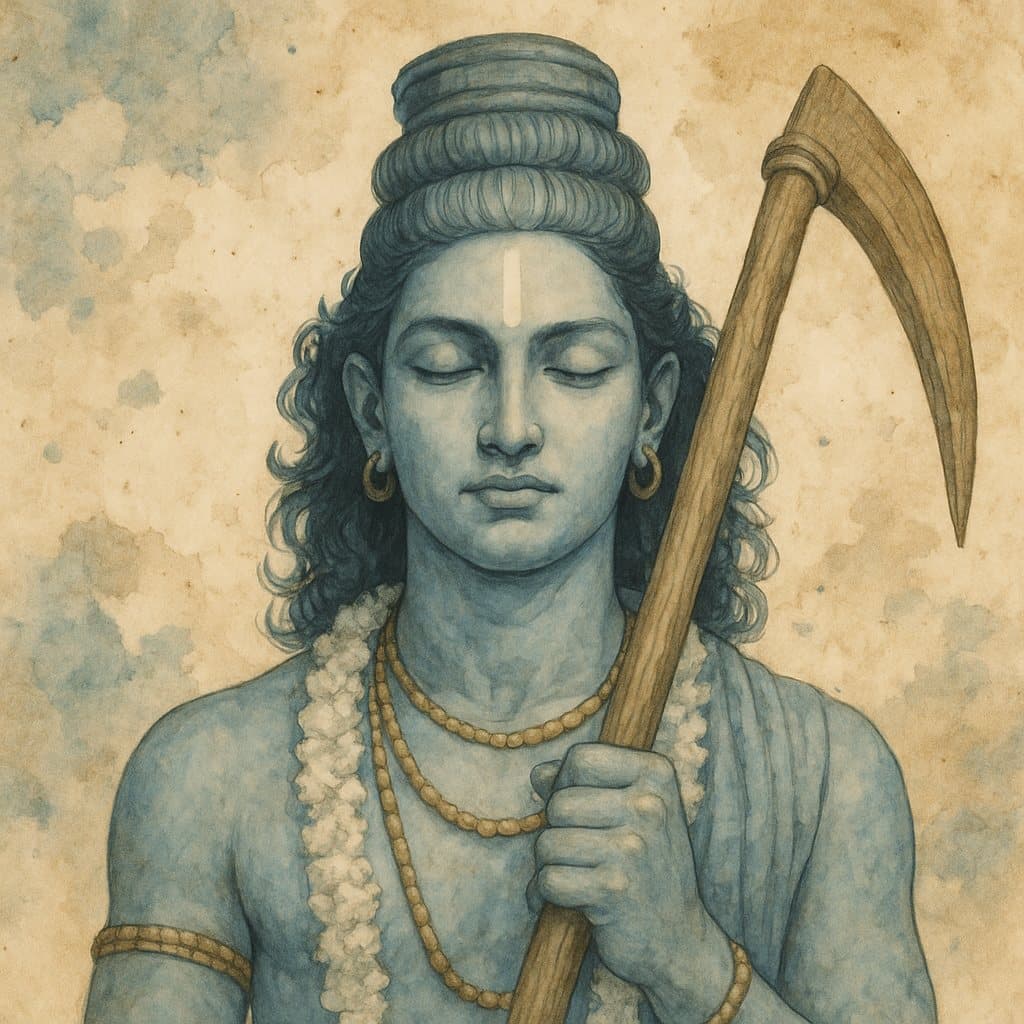
Krishna’s elder brother and the first expansion of the Lord. He embodies spiritual strength, agricultural fertility, and protective duty, often shown carrying the plough (hala).
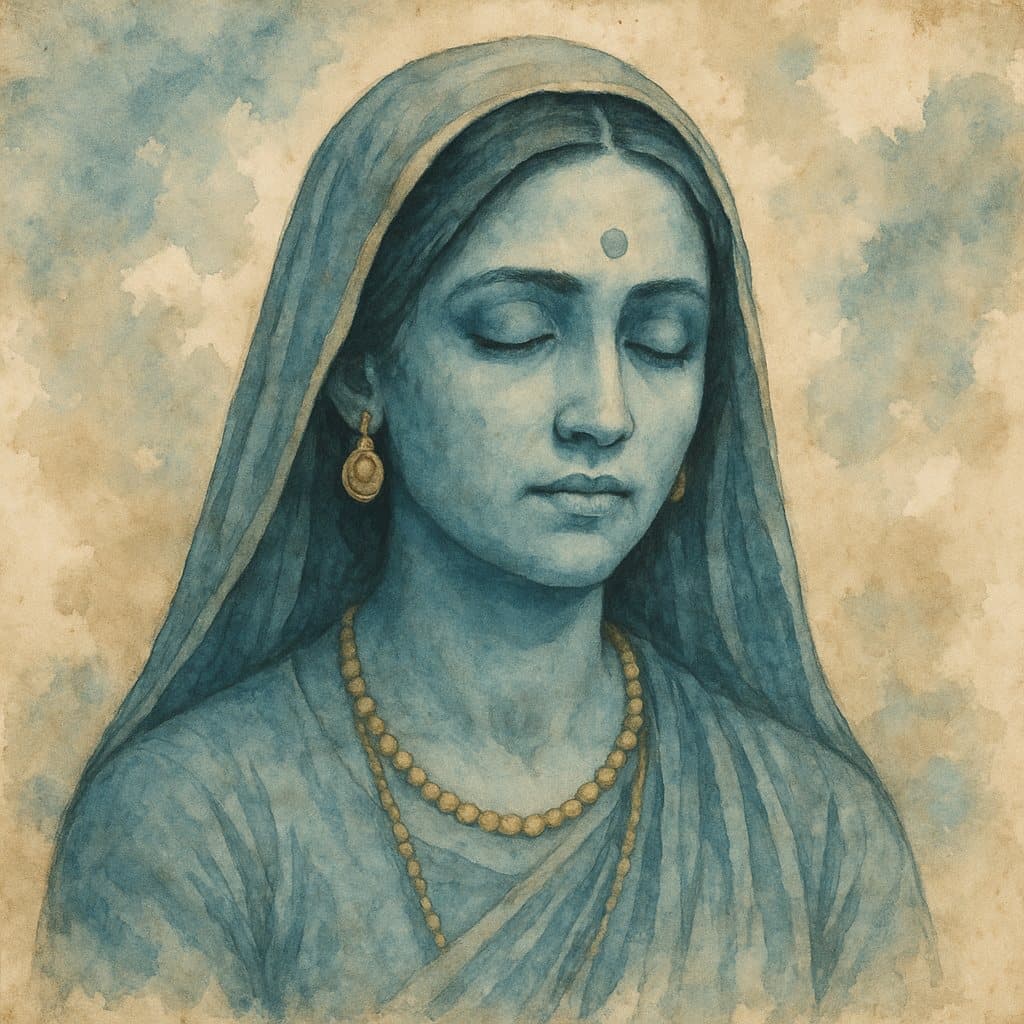
Devaki, wife of Vasudeva and sister of Kamsa, is the biological mother of Krishna. She endured long imprisonment, the loss of six children, and deep sorrow, yet remained steadfast in devotion until she witnessed the advent and divine play of her seventh son, the Supreme Lord.