

Chapter 14 Verse 27
Guṇa Traya Vibhāg Yog
ब्रह्मणो हि प्रतिष्ठाऽहममृतस्याव्ययस्य च।शाश्वतस्य च धर्मस्य सुखस्यैकान्तिकस्य च।।14.27।।
brahmaṇo hi pratiṣhṭhāham amṛitasyāvyayasya cha śhāśhvatasya cha dharmasya sukhasyaikāntikasya cha
Word Meanings
| brahmaṇaḥ | of Brahman |
| hi | only |
| pratiṣhṭhā | the basis |
| aham | I |
| amṛitasya | of the immortal |
| avyayasya | of the imperishable |
| cha | and |
| śhāśhvatasya | of the eternal |
| cha | and |
| dharmasya | of the dharma |
| sukhasya | of bliss |
| aikāntikasya | unending |
| cha | and |
Translation
For I am the abode of Brahman, the immortal, immutable, and everlasting Dharma, and absolute bliss.
Philosophical Significance
Core Meaning
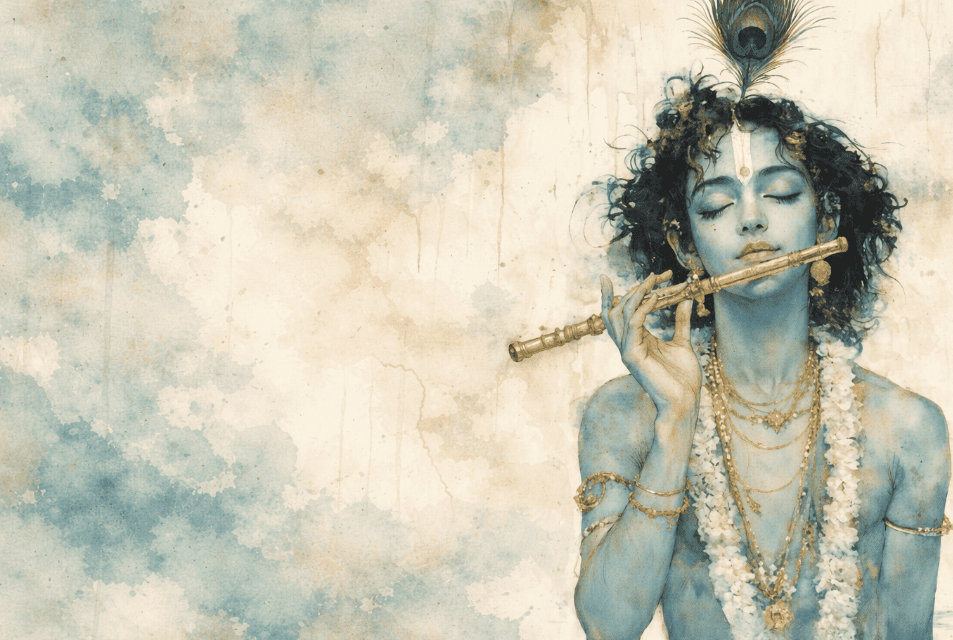
Here Krishna says he is the dwelling place of Brahman—the ultimate, unchanging reality. He is the support of what is immortal, undying, and true.
He also calls himself the source of eternal dharma (right duty) and pure, unending bliss. That points to a happiness and moral order that do not depend on changing circumstances.
Philosophically, the verse teaches that real security and joy come from connecting with what is permanent—the divine or inner truth—rather than from temporary things that rise and fall.
Life Application
- In stressful moments, remind yourself of a deeper source of peace instead of reacting only to the immediate problem (pause, breathe, and seek perspective).
- Base choices on lasting values—kindness, honesty, responsibility—rather than short-term gain or approval.
- Build simple daily practices (quiet reflection, prayer, service) that help you touch steady inner joy instead of chasing fleeting pleasures.
Reflection Question
Do I seek my deepest peace in changing things, or in something steady and unchanging within?